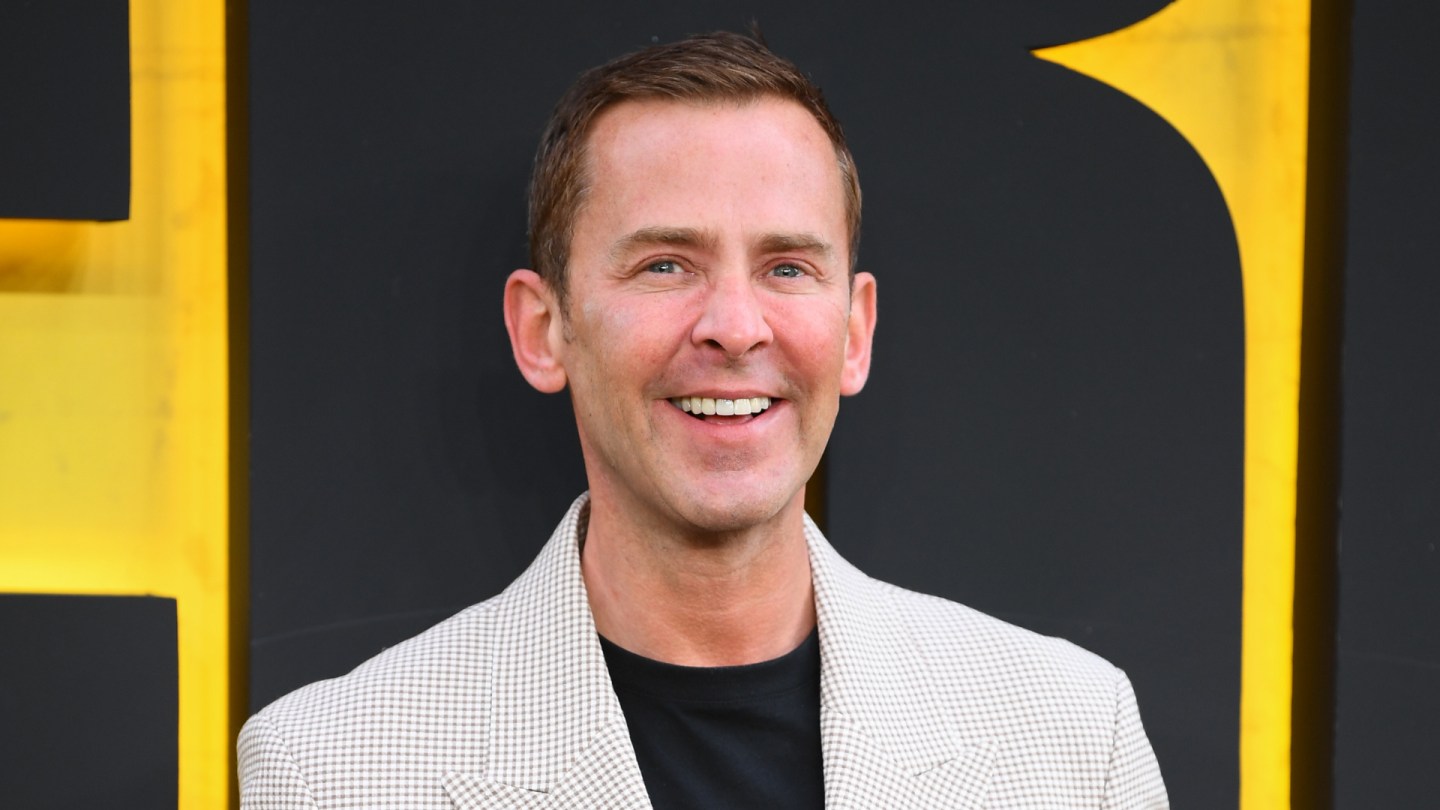
The Unforeseen Departure: Why Scott Mills Left the BBC
The broadcasting world was left reeling by the sudden and unexpected exit of veteran DJ Scott Mills from the BBC. After nearly three decades gracing the airwaves across various flagship stations, his departure from the Radio 2 breakfast show, and indeed the corporation entirely, sent shockwaves through both his loyal audience and industry colleagues. The speed with which events unfolded, culminating in a terse official statement, immediately sparked widespread speculation and left many asking a fundamental question: Why Scott Mills Sacked?
Known for his affable charm and ability to connect with millions of listeners daily, Mills' presence had been a cornerstone of BBC radio for generations. His move to the prestigious Radio 2 breakfast slot was, by his own admission, a "dream come true," marking a significant milestone in his illustrious career. Yet, this dream abruptly concluded, paving the way for a narrative shrouded in official silence and emerging allegations that hint at a more complex story than a simple contractual change.
An Abrupt End to a Nearly 30-Year BBC Tenure
The events leading up to Scott Mills' departure unfolded with startling speed, leaving little room for a gradual transition or a heartfelt on-air farewell. On a seemingly ordinary Tuesday, Mills signed off his Radio 2 show with the customary "See you tomorrow," a promise that, unbeknownst to listeners, would not be kept. By Wednesday morning, veteran DJ Gary Davies had stepped into the breakfast show chair, offering a simple "Morning, Gary in for Scott" without further explanation for Mills' absence.
This sudden replacement signaled an unexpected turn of events, immediately igniting public curiosity. The BBC's initial response only fueled the mystery. On the following Monday, a spokesperson issued a brief statement: "While we do not comment on matters relating to individuals, we can confirm Scott Mills is no longer contracted to work with the BBC." This official stance, while standard for such sensitive personnel matters, offered no insight into the underlying reasons for the abrupt termination of a relationship spanning nearly 30 years.
Internally, the news was equally shocking. Lorna Clarke, the BBC's Director of Music, communicated the news to staff via email, acknowledging the suddenness and impact: "I wanted to personally let you know that Scott Mills has left the breakfast show, and the BBC. I know that this news will be sudden and unexpected and therefore must come as a shock... I felt it was important to share this news with you at the earliest opportunity... While I appreciate many of you will have questions, I hope you can understand that I am not going to be saying anything further now." This internal message underscored the gravity of the situation and the BBC's commitment to maintaining discretion, even amidst widespread concern.
Colleagues, too, expressed their surprise. Jeremy Vine, a fellow Radio 2 presenter, openly admitted on his show that he was "taken aback" by the news, indicating that the information was tightly held even within BBC circles.
Unpacking the Allegations: Personal Conduct and Past Inquiries
In the vacuum of official information, media reports began to surface, offering a glimpse into the potential reasons behind Scott Mills' sudden sacking. Early indications from sources like Jeremy Vine pointed towards "allegations about Scott Mills’ personal conduct" as the catalyst for his departure. This broad phrasing left much to interpretation, but firmly steered the narrative away from performance issues or creative differences.
Further reports, notably from The Mirror, sought to provide more specific context. The Mirror revealed that the BBC's decision was reportedly linked to a 2016 police investigation concerning "serious sexual offences" against a teenage boy. According to their reporting, Mills was questioned by police under caution at the time, but the case was ultimately dropped due to a lack of evidence. While the BBC maintained its policy of not commenting on individual matters, The Mirror stated its understanding that the sacking related to this specific individual and the historical inquiry. It is crucial to note that the case was dropped without charges due to insufficient evidence, and these are allegations reported by the media rather than confirmed by the BBC.
The emergence of such grave allegations, even historical ones that did not lead to charges, highlights the immense pressure and scrutiny public figures, particularly those working for a national broadcaster like the BBC, can face. Broadcasters often operate under strict codes of conduct that extend beyond their on-air performance, encompassing their personal lives and public image. The decision to remove a long-serving, popular presenter under such circumstances underscores the BBC's commitment to upholding its institutional values and safeguarding its reputation, especially in an era of heightened awareness around safeguarding and accountability. For a deeper dive into these claims, you can read more at Scott Mills Sacked: Unveiling the Personal Conduct Allegations.
A Broadcaster's Legacy: Career Highlights and Recent Success
Before the cloud of controversy, Scott Mills had cultivated an impressive and highly successful career at the BBC, spanning nearly three decades. His journey began in the late 1990s as the early breakfast host on Radio 1, a station where he would go on to become a household name, known for his infectious energy, humorous segments, and genuine connection with a youthful audience. Over the years, he showcased his versatility across various BBC platforms, including Radio 5 Live and television appearances, cementing his status as a beloved national broadcaster.
His move to the coveted Radio 2 breakfast show to replace Zoe Ball was a significant career highlight, fulfilling what he described as a "dream come true." This prestigious slot placed him at the helm of one of the UK's most listened-to radio programmes. Indeed, under his stewardship, the show continued to thrive. The latest Rajar figures from October-December 2025 indicated a strong performance, with Mills attracting an average weekly audience of 6.47 million listeners. This represented a notable increase from the previous quarter's 6.16 million, marking his highest listener figures since taking over the show. These statistics firmly demonstrated his enduring popularity and his ability to connect with and grow an audience.
Mills' success was also reflected in his remuneration. The BBC annual report in July 2025 revealed his earnings to be between £355,000 and £359,999 a year, a testament to his seniority, popularity, and the significant role he played within the corporation. His career was a trajectory of sustained success and professional growth, making his sudden departure all the more jarring for those who had followed his journey. To explore his career and the financial context of his time at the BBC further, you might be interested in Scott Mills' Shock BBC Sacking: Career, Salary, & Allegations.
Navigating High-Profile Departures in Public Broadcasting
The situation surrounding Scott Mills' exit serves as a stark reminder of the unique challenges faced by public broadcasting organizations like the BBC when handling high-profile departures, especially those tinged with allegations of misconduct. Unlike private entities, public broadcasters operate under immense public scrutiny, with a mandate to uphold trust, maintain impartiality, and adhere to the highest ethical standards. This responsibility often creates a delicate balance between transparency, legal obligations, and the privacy rights of individuals.
For organizations, managing such crises involves several critical aspects:
- Consistent Communication: As seen with the BBC's statements, a consistent, albeit limited, message is crucial. While not commenting on individual specifics, reaffirming policies and values helps control the narrative to some extent.
- Legal and Ethical Compliance: Any actions taken must be fully compliant with employment law, safeguarding policies, and contractual agreements, while also considering the moral and ethical implications for the organization's reputation.
- Internal Support: The sudden loss of a colleague, especially under contentious circumstances, can impact morale. Clear, sensitive internal communication, as demonstrated by Lorna Clarke's email, can help staff understand the situation without violating privacy.
- Audience Management: Audiences, particularly loyal listeners, are invested in their presenters. The sudden absence of a familiar voice can lead to confusion and dissatisfaction. While direct explanations may be limited, continuity of programming and professionalism are key.
The complexity is further amplified when past allegations, even those previously deemed unsubstantiated or without sufficient evidence for prosecution, resurface in a new context. Organizations must weigh the potential risk to their reputation and public trust against the principles of natural justice and fair process for the individual involved. This requires robust internal investigative procedures and a clear framework for decision-making, ensuring that actions are taken thoughtfully and ethically, even if the public communication remains guarded.
Conclusion
The unexpected departure of Scott Mills from the BBC marks a significant moment in British broadcasting, leaving behind a legacy of nearly three decades on air, yet concluding amidst a swirl of unanswered questions and serious allegations. While the BBC has maintained its official stance of not commenting on individual personnel matters, the prevailing narrative, largely driven by media reports and initial comments from colleagues, points to "allegations about his personal conduct" as the core reason. These reports further suggest a link to a historical police investigation that, while not leading to charges, appears to have played a role in the BBC's ultimate decision.
For listeners and industry observers, the central question remains: Why Scott Mills Sacked? Without a definitive public statement from the BBC clarifying the specifics, the full picture may never be entirely clear. What is evident is the profound impact of this decision on both a beloved broadcaster and the corporation itself, highlighting the intricate balance public institutions must strike when faced with sensitive issues involving their most prominent figures.